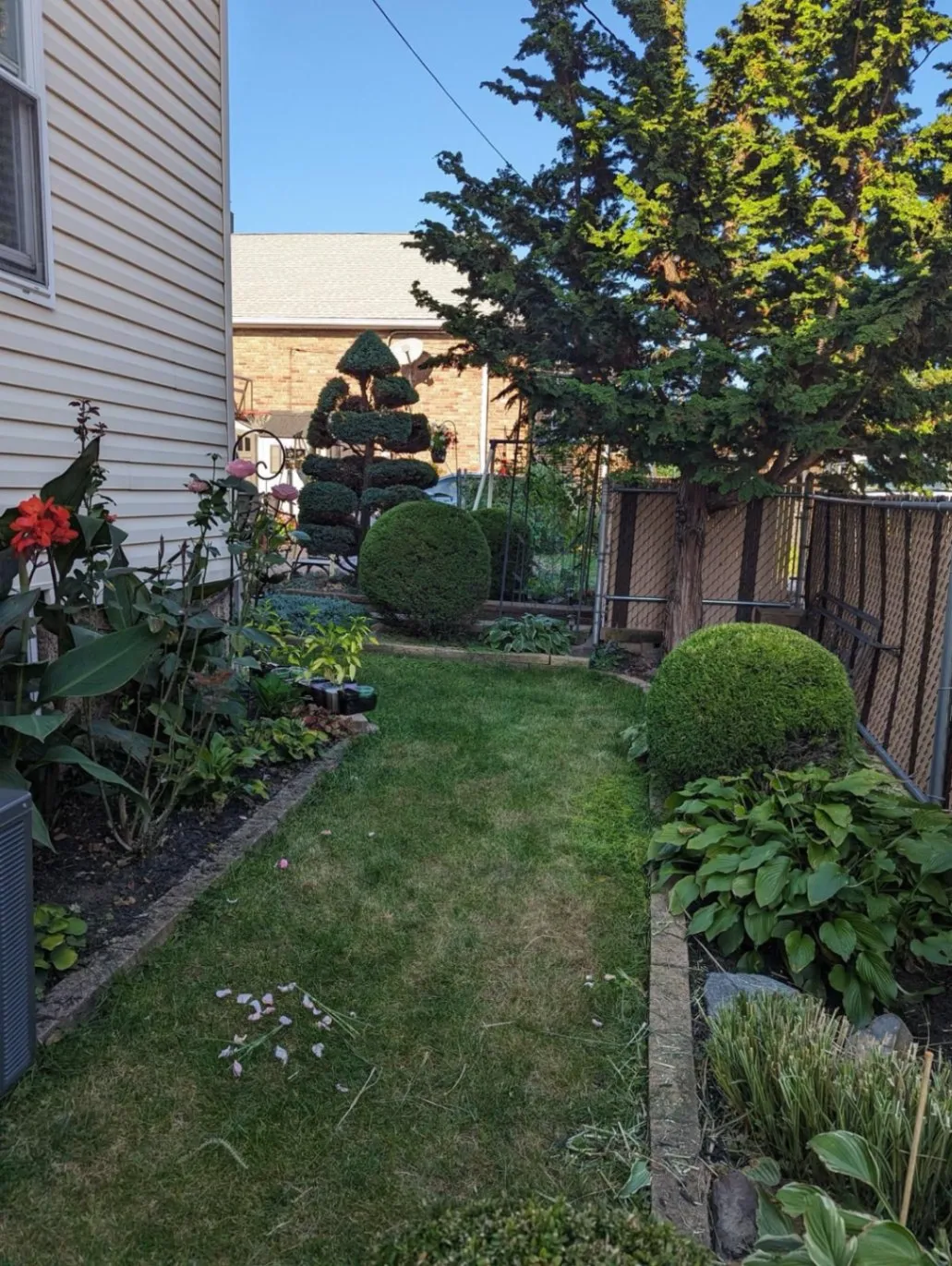
Benefits of Mulching Your Garden in Spring
Spring is a pivotal time for gardeners, as it marks the awakening of plants and the beginning of the growing season. One of the best practices to ensure a thriving garden is mulching. This article explores the benefits of mulching your garden in spring, providing insights that help maximize the health and appearance of your outdoor space.
What is Mulching?
Mulching involves applying a layer of material on the surface of the soil. This can be organic materials like wood chips, straw, or grass clippings, or inorganic materials like stones or plastic. The primary purpose of mulching is to enhance soil health and protect plants.
Key Benefits of Mulching in Spring
- Conserves Soil Moisture: Mulch helps retain moisture in the soil, reducing the need for frequent watering.
- Suppresses Weeds: A good layer of mulch can prevent weed growth by blocking sunlight and inhibiting germination.
- Improves Soil Quality: Organic mulches decompose over time, enriching the soil with nutrients.
- Regulates Soil Temperature: Mulch acts as an insulator, keeping the soil cooler in summer and warmer in winter.
- Enhances Garden Aesthetics: Mulch adds a finished look to garden beds and can complement your landscape design.
Types of Mulch
Understanding the different types of mulch can help you choose the right one for your garden needs. Here are some common types:
- Organic Mulch: Includes bark, wood chips, straw, and grass clippings.
- Inorganic Mulch: Consists of gravel, stones, or landscape fabric.
- Living Mulch: Ground covers that grow alongside your plants, such as clover or creeping thyme.
How to Apply Mulch
Applying mulch correctly is crucial for maximizing its benefits. Follow these steps for effective mulching:
- Choose the Right Material: Select a mulch type that suits your plants and climate.
- Prepare the Soil: Remove any weeds and debris from the area to be mulched.
- Apply the Mulch: Spread a layer of mulch 2-4 inches thick around your plants, keeping it away from plant stems to prevent rot.
- Maintain Regularly: Check your mulch periodically for compaction and topping up as needed.
When to Mulch
Spring is an ideal time for mulching, but timing can vary based on your climate and the specific needs of your plants. Generally, you should mulch after the soil has warmed up and once you’ve planted your spring flowers and vegetables.
Signs Your Garden Needs Mulch
Recognizing when to mulch can greatly enhance the health of your garden. Look for these signs:
- Soil Dries Out Quickly: If you notice that your soil dries out too fast after watering.
- Weed Growth: If weeds are becoming a problem in your garden beds.
- Temperature Fluctuations: If you observe extreme temperature changes affecting your plants.
Conclusion
Mulching your garden in spring offers numerous benefits that can lead to a healthier and more vibrant garden. Whether you opt for organic or inorganic materials, the right mulch can conserve moisture, suppress weeds, improve soil quality, and enhance the overall appearance of your garden. By incorporating mulching into your spring gardening routine, you set the stage for a flourishing growing season.